This post contains affiliate links. If you make a purchase through these links, I may earn a commission at no extra cost to you.
Pet care for doulas works the same way as birth backup planning: you need a trusted person with a written list of every animal's needs, a timed feeder for long births, and a dog walker on standby before you ever need one. Build the system before the call comes, not during. And make sure your plan accounts for every animal in the house, including the quiet ones.
Key Takeaways
- Pet coverage is a logistics gap that catches experienced doulas off guard, not just beginners -- any time your household changes, your on-call systems need to change with it.
- Build your pet backup plan for your longest possible birth, not your average one. Gravity feeders and water dispensers are not enough for a 20-hour labor.
- Multi-pet homes need timed feeders and physical barriers. Do not assume larger animals will leave smaller animals' food alone.
- Dogs that need walks cannot wait out a long birth. Have a dog walker lined up before the call comes, with a backup person in place.
- Fish, reptiles, birds, and small caged animals are easy to forget. A written list posted somewhere visible is the simplest fix.
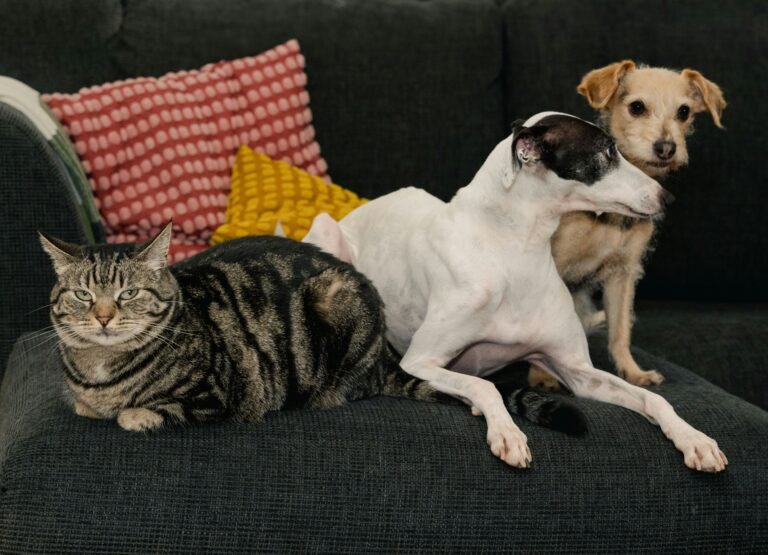
When I started practicing as a doula, I had no kids and no pets. My on-call life was clean. I had a packed bag, a backup doula's number in my phone, and nothing at home that couldn't wait for me. Then kids came, at every stage from newborns to teenagers. When my youngest got a little older, we added pets. Dogs, cats, a fish tank.
I genuinely did not think any of it would affect my doula practice. I had been doing this for years. I had the on-call logistics figured out.
I was wrong.
Your doula life doesn't stay static after you get certified. Every time something changes at home, your practice needs to catch up. In the doula world, we talk a lot about childcare coverage and day jobs as the things to schedule around. But nobody talks about the dog. Or the cats. Or the fish who don't say anything until it's too late.
This is the post I wish someone had handed me.
Why Does Your Doula Life Keep Requiring New Systems Even After Years of Practice?
The biggest thing I want you to take from this is not a specific tip. It's the framing.
You don't build your on-call plan once and then coast. As your household changes, your systems have to change with it. I was a practicing doula for years before pet coverage became a real problem for me. It wasn't an issue when I first went on call. It showed up when I added a dog. Then another dog. Then cats. Then a fish tank. And suddenly my coverage plan had gaps I hadn't noticed.
If you're new to doula work, build this in from the beginning. If you've been practicing for a while and your household has recently shifted, look at your plan. The on-call systems you built two or three years ago may not fit the life you're living now.
The doulas who stay in this field for the long run are not the ones who got everything right from day one. They're the ones who kept updating their systems as life changed. Your pets are part of that.
What Happens When a Birth Runs Much Longer Than You Planned For?
You get a birth call at midnight. The dog has food and water. The cats have a full bowl. Everyone should be fine until morning.
Except the birth runs long. It happens all the time. What started as a 6-hour labor turns into 18. You're still there. And the plan that seemed more than enough for a short absence is now exhausted.
This is when most pet backup plans fail. Not because they were badly designed, but because they were built for an average birth, not a long one. Build your plan around your longest possible absence, not your typical one. If you could realistically be gone for 30 hours, plan for 30 hours.
Gravity feeders and continuous water dispensers are useful, but they aren't a complete system. A gravity feeder loaded with two days of food sounds generous until you realize your dog ate all of it in the first two hours. Timed auto-feeders that dispense small amounts work better, but only if you've thought through what happens when multiple animals are competing for the same dispenser.
Plan for a long birth. Plan for an opportunistic pet. Plan for both at the same time.
How Do You Keep Multiple Pets From Eating Each Other's Food While You're Gone?
My dog Georgia had a reputation in our house. We called her Trash Puppy. She would eat anything within reach: cardboard boxes in the hallway, packages left by the front door, whatever she could find. When we added cats to the family, Georgia immediately got interested in their food.
I set up a continuous water dispenser and a standard gravity feeder and assumed the animals would sort themselves out while I was at a birth. I came home to a sick dog and two very hungry cats. Georgia had eaten every bit of cat food in the house in one sitting. All of it. She got sick. The cats hadn't had food for hours.
The system I landed on: automated feeders that dispense small amounts on a timed schedule, and a specialized pet gate with a built-in cat door. The cats can pass through to reach their food. Georgia cannot.
It took one failure to find that solution. If you have multiple pets with different dietary needs, get specific about who can access what before you leave. Assume the larger animal will find the smaller animal's food. Because it will.
What Do You Do About a Dog That Needs Walks When You're at a Birth?
Food and water tend to be the first things people think about. Walking rarely makes the list until something goes wrong.
We had a puppy named Gretchen. One day when I was at a birth, nobody was available to take her out for a walk. When I came home, there was a hole in the drywall. Not a scuff, not a chewed baseboard. An actual hole. In the wall.
High-energy dogs, especially puppies, cannot wait out a 20-hour birth. They need to move their bodies. If they can't, they will find another outlet, and you will discover it when you walk in the door.
My current setup: a neighborhood high school student who comes by when I'm at a birth, with Rover (a pet care service) as a backup for when that person isn't available. It works the same way as having a backup doula. You don't call around looking for coverage at 2am when labor has stalled. You have a person, you've talked to them, they know what's expected, and they're ready. The dog walker situation is no different.
Find your person before the call comes. Have a backup for your backup.
Which Pets Are Most Likely to Get Forgotten in a Doula's Backup Plan?
Dogs bark. Cats will sit on your laptop until you fill their bowl. Fish don't say anything.
I came home from a birth once to find out that nobody had fed the fish the entire time I was gone. Not on purpose. It just didn't occur to anyone. The dog was loud and obvious. The cats were underfoot. The fish were in the tank, quiet and easy to overlook.
This is the invisible pet problem. Fish, reptiles, birds, small animals in tanks or cages, any pet that doesn't demand attention, tends to fall out of backup plans because it doesn't announce its own needs. If you have a quiet pet, it needs to be on the list too.
The fix is a written list. Every animal in the house, what it needs, how often. Post it somewhere visible, and put a copy somewhere your backup person will actually find it. Don't assume they'll remember the fish. They won't.
How Do You Build a Complete Pet Coverage Plan Before You Get a Birth Call?
You don't want to be working through these questions at 2am with your birth bag half packed.
Take a few minutes now and think through your actual household. If you got a call tonight:
- Who would walk the dog, and do you have a backup if that person isn't available?
- If you have multiple pets, can the larger animal access the smaller animal's food?
- Is there a written list of every pet's needs somewhere your backup person can find without hunting for it?
- Does your backup person know about every animal in the house, including the quiet ones?
If any of those answers are "I'm not sure," that's the gap. Fill it now, when nothing is on the line, rather than mid-labor when the text from your partner says the puppy is circling the living room.
Your practice grows and changes as your life does. Keeping your systems current with the life you're actually living is part of the work.
Come share your own pet story in the Doula Facebook group, it's free to join and full of doulas who will understand completely. Join us here: https://www.facebook.com/groups/100percentdoulagroup (I'm going to post a photo of the wall Gretchen ate...)
If you want this work to last, my doula on-call life guide covers the rest, from how many clients to take to recovering after hard births.
Frequently Asked Questions
Do I need to board my pets every time I'm on call?
Not necessarily. Boarding is one option, but most doulas manage on-call pet coverage with a combination of timed feeders, a trusted dog walker, and a written care list for the person checking in. Boarding makes more sense for extended travel than for regular on-call weeks.
What kind of automated feeder works best for a doula who might be gone 24 hours or more?
Timed feeders that dispense small amounts on a set schedule work better than gravity feeders, which allow animals to eat everything at once. If you have multiple pets with different needs, you'll also want physical separation, a pet gate with a species-specific door is one solution. I would also recommend the battery backup versions. That way if you have an electrical issue, the pets still get fed.
How do I find a dog walker who can work around unpredictable on-call hours?
Apps like Rover let you book on short notice, which makes them useful for on-call work. A neighborhood contact, a high school student, a retired neighbor, someone who knows your dog, is also worth cultivating as a primary option, with Rover as backup. Have the relationship in place before you need it.
What if I have a fish tank or reptile that nobody in my house knows how to care for?
Write down the exact care instructions and post them visibly. If your backup person has never fed your fish or your leopard gecko, assume they will not know what to do without clear directions. A brief written guide on the fridge is enough -- feeding schedule, amount, water temperature if relevant.
My births are usually short. Do I still need to do all of this?
The plan you build for a short birth is not the one that will serve you on the birth that runs 28 hours. You don't get to choose which birth is which when you take a client on. Building the plan for your longest possible absence costs you maybe 20 minutes upfront and saves a lot of stress later.
Can I set up cameras or smart feeders to monitor my pets remotely while I'm at a birth?
Yes, and many doulas do. Pet cameras with two-way audio let you check in and see what's happening. Smart feeders can be adjusted remotely if a birth runs longer than expected. These aren't replacements for a backup person, but they can give you real-time information if something looks off. I've tried a few cameras and they work but can randomly go offline.