Becoming a birth doula starts with training, but not all doula certification programs prepare you the same way. I’ve been training doulas for 30 years and have taught more than 20,000 doulas (approaching 25,000). I know what actually makes someone ready to walk into a birth room with confidence.
You don’t need a medical background. You don’t need to have given birth yourself. What you do need is training that teaches evidence-based birth support, real business skills, and ongoing mentorship after class ends.
My DONA-approved birth doula training runs either as a three-day weekend or five weekly evening sessions – you pick what fits your life and childcare schedule. You can start working with paying clients as soon as training ends. The timeline to full certification varies, but in my last 50 students who certified, more than half finished within six months and 75% certified within one year.
Here’s what the process actually looks like.
What Does a Birth Doula Actually Do?
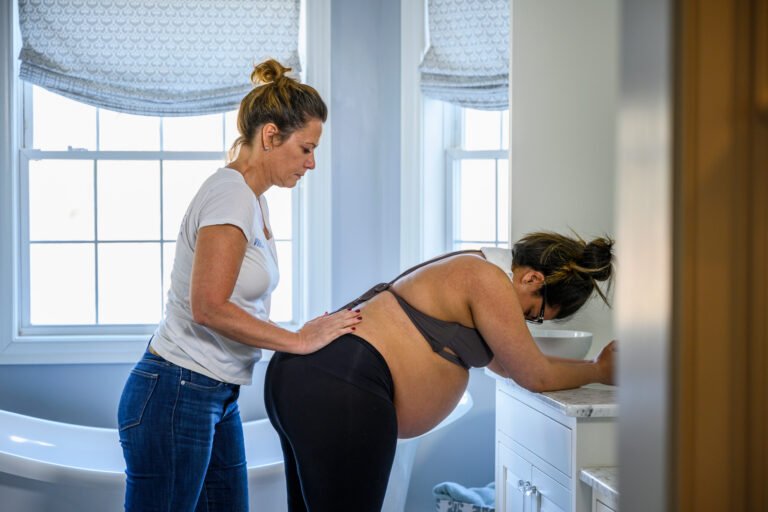
Birth doulas provide continuous physical, emotional, and informational support to families during labor and birth. You’ll use comfort measures like positioning, massage, and breathing techniques. You’ll help families understand their options and communicate with their care providers. You’ll stay present through the entire labor, which might last a few hours or stretch over a full day.
Doulas don’t provide medical care. You won’t check vital signs, make diagnoses, or deliver babies. That’s the job of midwives, doctors, and nurses. Your role focuses on the family’s experience, helping them feel supported, informed, and capable throughout birth.
Many doulas also offer prenatal visits to build relationship and teach comfort techniques, plus a postpartum visit to process the birth and support early feeding. This relationship-based work is what makes doula support different from medical care.
Do You Need Certification to Be a Doula?
No law requires doula certification. You can legally work as a doula without any training or credentials in most places.
But certification matters for practical reasons. Hospitals recognize certified doulas and allow you access to birth spaces. Insurance companies require certification if you want liability coverage. Families searching for doulas filter by certification because it signals you’ve met professional standards.
DONA International is the oldest and most widely recognized certifying organization for birth doulas. Other options include CAPPA, Birth Arts International, and Childbirth International. Each has different requirements, but most follow a similar process: training, reading, attending births, and submitting paperwork.
Certification gives you credibility, especially when you’re new. It shows families you’ve invested in proper training and agreed to a code of ethics and scope of practice.
Step 1: Choose Your Birth Doula Training Program
Not all doula training prepares you the same way. I’ve watched this field change over three decades, and I’ve seen too many new doulas finish programs that only taught birth room skills, then struggle to find clients or figure out what to charge.
When you’re comparing programs, look for:
Approval by a recognized certifying organization – My training is DONA International approved, which means the curriculum meets professional standards and your hours count toward certification.
Curriculum that covers both birth support AND business – You need comfort measures and birth physiology. You also need to know how to conduct prenatal visits, price your services appropriately, find clients, and communicate professionally. I teach all of it because you can’t build a sustainable doula practice with only half the picture.
Post-training support that’s actually included – Most programs end when class ends. Mine doesn’t. I include weekly Doula Office Hours where you bring your real questions and get personalized guidance. I run accountability groups so you’re not working alone. You have access to an active alumni community of doulas at every stage of practice. One of my recent students met another doula from her city during Office Hours, and now they refer clients to each other.
Flexible format that fits your life – Virtual training saves you money on hotels and travel. You attend live sessions from home, interact with other students in real time through breakout discussions and practice sessions, and choose between weekend or weekday evening schedules. If you work full-time or manage childcare, five evenings might work better than a three-day weekend. Both options cover identical material.
Online vs. In-Person Training
Online doula training offers the same curriculum and certification eligibility as in-person workshops. You’ll participate in live video sessions, practice comfort measures, discuss scenarios, and connect with other students. The main difference is convenience and cost savings on travel and lodging.
Some people worry online training won’t feel hands-on enough. Quality virtual programs include demonstration videos, breakout practice sessions, and detailed instruction on physical techniques. You’ll practice these skills during your certification births, where the real learning happens anyway.
Choose based on your learning style and schedule, not assumptions about quality. Both formats can prepare you well if the training itself is solid.
What Makes This Training Different
I structure my training so you’re not just listening to lectures for three days straight. We work through real scenarios together. You practice communication skills in small groups. We watch demonstration videos, discuss what you’re seeing, and talk through how you’d handle different situations.
Students tell me they’re surprised how fast the time goes. One recent graduate said she was “so sad when day three ended because the class flew by.” Another told me she expected to struggle staying focused for 27 hours of virtual training but “didn’t even realize how quickly time was going.”
That’s intentional. I use visuals, props, storytelling, breakout activities, and hands-on practice because that’s how information actually sticks. You’re not taking notes on slides for hours. You’re engaging with the material and with other students who are on this same journey.
I also make sure you understand the business side before you finish training. How to price yourself fairly (because undercharging hurts you and the profession). How to find your first clients through personal networks and professional referrals. How to conduct prenatal visits that build trust and teach practical skills. What to include in your doula bag. How to handle tricky client communication.
These practical details matter. One student wrote to me after her first birth saying the OB and midwife “couldn’t believe this was my first time and asked for business cards.” Another said she felt confident walking into her first prenatal visit because we’d practiced exactly that scenario in class.
Step 2: Complete Your Training Coursework
My birth doula training runs 20 hours over three days (Friday evening through Sunday) or five weeks of Wednesday evening sessions from 6-10pm Eastern. You pick the format that works with your schedule.
During training, you’ll learn:
- Birth physiology and the stages of labor
- Comfort measures including positioning, massage, counterpressure, breathing techniques, and using water for pain relief
- Evidence-based information on common interventions so you can help families ask informed questions
- How to support different birth preferences – home, birth center, hospital, medicated, unmedicated
- Communication skills for working with families and medical staff without overstepping your scope
- Conducting effective prenatal visits that build trust and teach practical skills
- Postpartum support and feeding basics
- Pricing your services appropriately (this matters more than most new doulas realize)
- Finding clients through networking, referrals, and simple marketing
- Managing the business side – contracts, insurance, scheduling
We spend time on scenarios. What do you do when a client’s birth plan changes? How do you support someone through a long labor? What do you say when family members have strong opinions? How do you work alongside nurses who might not understand your role?
These discussions prepare you for real situations, not just theory.
Step 3: Start Working With Families (Yes, Before Certification)
Here’s what surprises most new doulas: you can work and earn money as soon as training ends. You don’t wait months for certification to start your practice.
DONA requires you to attend three births and complete other assignments before certification. Those births should be paying clients. You’re providing professional support with professional training. Your clients deserve your full skills and attention, and you deserve fair compensation.
Birth doulas typically charge $1,000-$2,500 per birth depending on location and experience. Start at $1,000 minimum. That’s professional pricing for professional work, and your first client covers your entire training investment. Your second and third clients – the ones you need for certification anyway – become immediate income while you complete requirements.
This is where the post-training support becomes important. When you’re preparing for your first prenatal visit, you bring your questions to Office Hours. When you’re second-guessing your pricing or need feedback on your contract, the alumni group helps. When you finish your first birth and want to process what happened, you have experienced doulas who understand.
One student told me: “I appreciate Office Hours SO much. Thank you for taking the time to do this!” Another said the Office Hours are “priceless” and the support “exceeded expectations.”
You’re not figuring this out alone. That’s the whole point of the ongoing mentorship included with training.
Step 4: Complete Your Certification Requirements
After training, you’ll finish DONA’s certification requirements:
Read five books from DONA’s approved list covering topics like birth physiology, breastfeeding, and the doula’s role.
Attend three births as a doula. You’ll write a report after each one reflecting on the labor, what support you provided, and what you learned.
Get evaluations from each family and their primary care provider. This verifies you provided ethical, professional support within your scope of practice.
Submit everything to DONA with the application fee.
In my last 50 students who certified, more than half finished within six months. Seventy-five percent certified within one year. The timeline depends on when your clients go into labor (you can’t control that) and how quickly you complete the readings and paperwork.
Some students finish faster. Some take longer because life happens – they have their own babies, change jobs, move across the country. Certification is a milestone that confirms your professional competence. It’s not a race.
And remember: you’re getting paid while you complete these requirements. You’re building a client base, gaining confidence with each birth, and learning what kind of doula you want to be.
Once you’re certified, you can also work with insurance reimbursement. More insurance companies are covering doula services, which opens up additional client opportunities and often allows you to raise your fees.
Step 5: Build Your Doula Business
Getting your first clients requires some basic marketing, but it’s simpler than most new doulas expect.
Start by telling everyone you know that you’re a trained birth doula accepting clients. Personal networks book more doulas than any other method. Join local pregnancy and parenting groups (online and in-person). Connect with midwives, childbirth educators, and lactation consultants who can refer clients.
Set your fees based on your local market and your level of training. New doulas typically charge $1,000-$1,500 per birth. That’s professional pricing for professional work. Don’t undersell yourself or offer free services because you’re “just starting out.” Your training prepared you to support families safely and effectively.
You’ll need liability insurance ($200-$400 per year), client contracts, and intake forms. These protect both you and your clients. Many doula organizations offer templates and resources to help you set up these business basics quickly.
As you attend more births and gain experience, you’ll raise your fees and refine your practice. But you can start building a sustainable doula business right away, not years down the road.
How Much Does Doula Training Cost?
My DONA-approved birth doula training costs $650. That includes:
- The 20-hour live training (weekend or five-week format)
- All course materials and guided notes
- Weekly Doula Office Hours after training to support you
- Access to accountability groups and alumni community
- Ongoing mentorship as you build your practice
Additional costs for certification:
- DONA application fee: $155 due at certification
- Required books: $0-$100
- Liability insurance (optional): $200-$400 per year
- Business basics like contracts: minimal to free
- Total investment to become a working, certified doula: roughly $1,200-$1,500.
One client pays for everything. Your first birth at $1,000 (the minimum you should charge as a newly trained doula) covers your training, books, and DONA application. Your second and third certification births are income while you complete requirements.
I offer payment plans if you need to spread the cost. Military spouses can use MYCAA funding, which covers the full training cost. I also maintain a list of scholarships and funding resources to help make training accessible.
Compare this to most professional training. Other careers require years of school and massive student loans before you can work. Doula training gets you earning within weeks or months with minimal financial risk.
How Long Does It Take to Become a Certified Doula?
From your first day of training to receiving your certification:
- Training: 3 days or 5 weeks (depending on format)
- Reading and assignments: 1-3 months
- Attending required births: 3-8 months
Total timeline: In my last 50 students who certified, more than half finished within six months and 75% certified within one year. You have three years to complete the requirements if you need it.
You’re not waiting to work. You’re attending births and earning income within weeks or months of finishing training. The certification timeline reflects the pace of birth work (you can’t control when clients go into labor) and your own schedule for completing readings and paperwork.
Some doulas prioritize finishing quickly. Others take their time building their practice. Both approaches work. Certification is a milestone, not a deadline.
Once certified, you gain access to insurance reimbursement opportunities, which can increase your income and expand the families you’re able to serve.
Can You Become a Doula Without Giving Birth?
Yes. You don’t need to have given birth to support people through birth.
Good doulas listen, provide evidence-based information, and offer physical comfort. None of that requires personal birth experience. Some of the most skilled doulas I’ve trained have never been pregnant. Some are men. Some have adopted children or chosen not to have children at all.
What matters is your training, your empathy, and your commitment to supporting each family’s unique needs and choices. Your job is to hold space for their experience, not compare it to your own.
Families hire doulas for professional support, not for someone to tell birth stories or project their own preferences. Training teaches you how to provide that support regardless of your personal history.
What If You Have No Medical Background?
You don’t need any medical training or healthcare experience to become a doula. Birth doulas work within a clear scope of practice that focuses on comfort, information, and emotional support. You’re not providing medical care or making clinical decisions.
Many successful doulas come from teaching, social work, counseling, or completely unrelated fields like business or art. Your background matters less than your ability to learn evidence-based information, communicate clearly, and stay present with families during intense experiences.
Quality doula training teaches you everything you need to know about birth physiology, comfort measures, and how to work alongside medical providers. You’ll learn to recognize normal labor patterns and when families might want to ask questions or request support from their clinical team.
Your role complements medical care. Nurses, midwives, and doctors handle the clinical aspects. You handle the continuous emotional and physical support that medical staff often don’t have time to provide.
Ready to Start Your Birth Doula Training?
I teach live online DONA-approved training several times throughout the year, with both weekend and weekday evening options. You’ll learn evidence-based birth support and practical business skills, then get ongoing mentorship through Office Hours and accountability groups as you build your practice.
The investment pays for itself with your first client. After that, you’re building meaningful work supporting families during one of the most important experiences of their lives.
Students describe the training as “life-changing,” say they feel “empowered and excited,” and tell me they “learned more than expected.” One wrote: “Robin is easily one of the best teachers I’ve ever had.” Another said: “If I could give Robin a million stars I would.”
But what matters most is this: they feel prepared. Confident. Ready to walk into their first birth and support families well.
That’s what quality training does.
If you’re not sure this path fits your life right now, join my free email series for people considering doula training. I cover what the work really involves, how to know if you’re ready, and what to expect from training and certification.